Operational Architecture Modernization for Scalable Asset Management
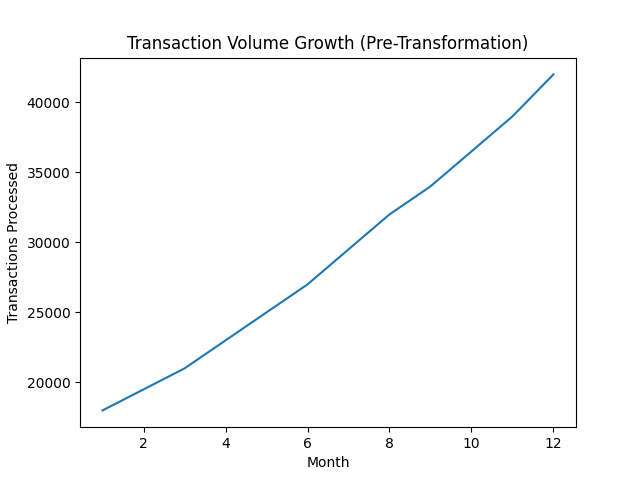
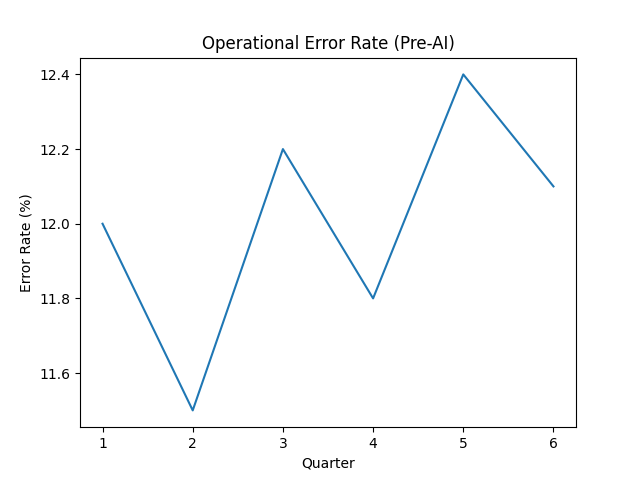
A mid-sized investment management firm supporting multi-asset portfolios faced increasing operational strain as assets under management expanded. Core operational processes, including trade validation, reconciliation workflows, NAV finalization, and investor reporting, were largely supported by fragmented spreadsheets and manual exception handling.
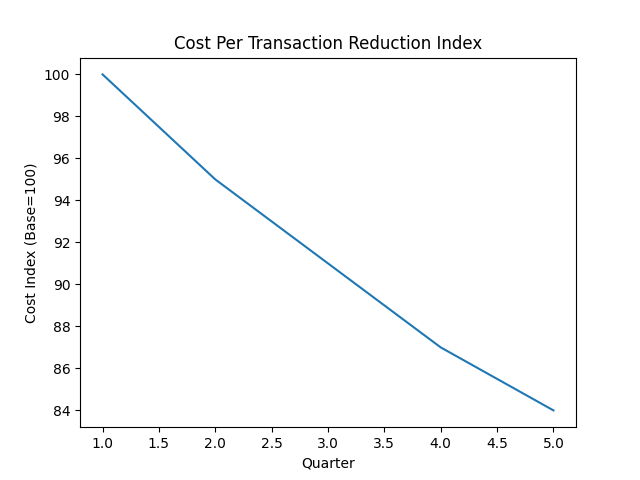
As transaction volumes grew, operational scalability became constrained and error exposure increased. StaffFoundry redesigned the operating architecture around standardized ingestion, centralized data control, automated reconciliation logic, and predictive operational monitoring.
Baseline Operational Diagnostics
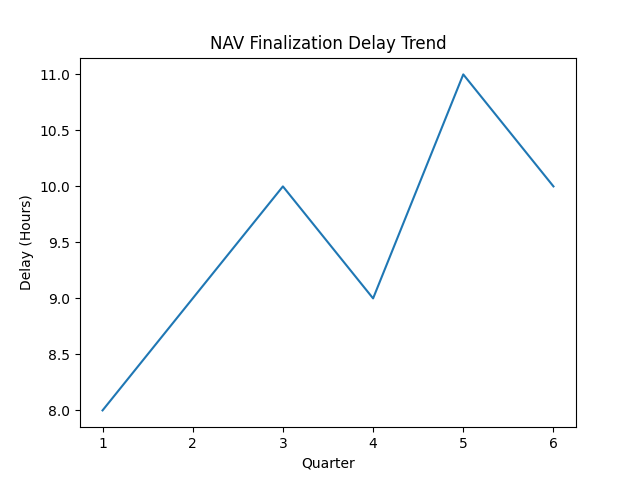
Diagnostics identified fragmented data pipelines between custodians and internal systems, delayed reconciliation cycles, and inconsistent break resolution workflows. NAV finalization frequently exceeded expected timelines, and manual handling made exception quality dependent on individual analyst bandwidth.
Operational Architecture Redesign
StaffFoundry implemented a unified operational data architecture integrating broker feeds, custodian records, and internal transaction logs through standardized ingestion pipelines. A centralized operational data layer enabled automated reconciliation logic, consistent data validation, and real-time operational monitoring.
Intelligent Automation & Predictive Controls
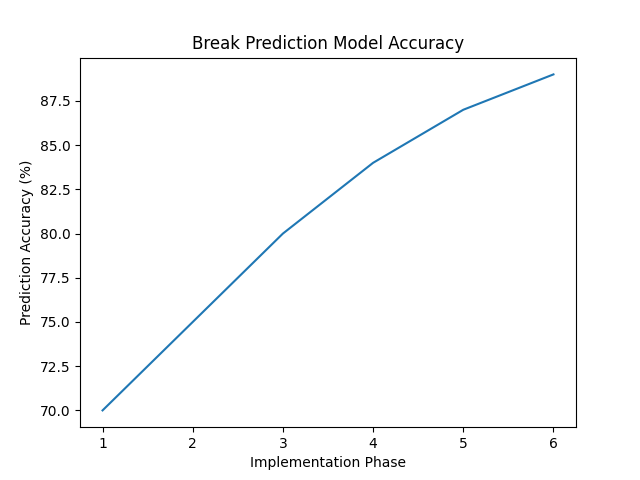
Machine learning models were introduced to predict reconciliation breaks and identify trade settlement anomalies before operational deadlines. Break probability scoring enabled prioritization of high-risk transactions, while automated reconciliation engines reduced manual intervention requirements.
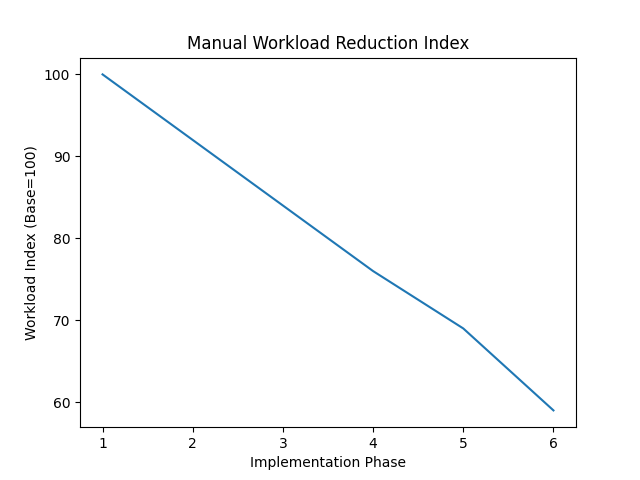
Manual Workload Reduction
Automation significantly reduced manual workload across reconciliation and reporting processes. Operational teams shifted from manual data consolidation to exception-focused supervision, improving analyst productivity and strengthening oversight quality.
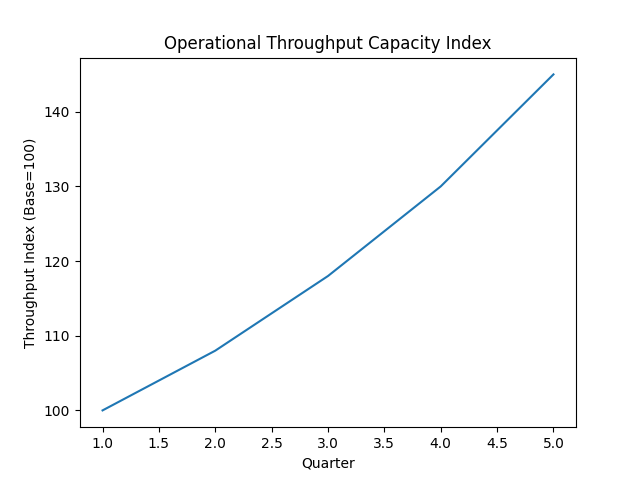
Operational Throughput & Capacity Expansion
With predictive controls and automated workflows in place, transaction processing capacity increased without additional staffing requirements. The platform gave the firm a clearer path to support portfolio growth without allowing operational effort to rise linearly with transaction volume.
Industry Context & Market Trends
The investment management industry is undergoing a seismic shift toward AI-first platforms, moving away from traditional databases and algorithms toward a paradigm of Data, Models, and Agents. Leading firms like TCS and Deloitte are pioneering this transformation, demonstrating how AI can serve reimagined value chains where humans are in the loop.
Industry leaders are leveraging partnerships with cutting-edge platforms like Databricks, NVIDIA, and Snowflake to accelerate AI adoption. TCS's 2025 Delivery Excellence Partner of Year award with Databricks and Deloitte's recognition as a Leader in the 2025 Gartner® Magic Quadrant™ for Custom Software Development Services highlight the competitive advantage of AI-first approaches.
AI Engineering & Platform Architecture
StaffFoundry's approach aligns with industry-leading practices from firms like Deloitte and TCS, who emphasize engineering-led design combined with deep industry expertise. Our AI engineering framework incorporates:
- Platform Engineering Mindset: Combining product-centric models with financial industry insights, similar to Deloitte's Engineering, AI & Data services
- Agentic AI Implementation: Moving beyond traditional automation to autonomous AI agents that can predict, decide, and act, mirroring TCS's Data, Models & Agents paradigm
- Cloud-Native Architecture: Leveraging partnerships with leading cloud providers and AI platforms for scalable, enterprise-grade solutions
Supporting Visuals